

Português
Open menu Close menu

The right to culture.

It’s the right to the city. People living in favelas and urban peripheries have the right to create, make a living in culture and decide how funding is spent. This edition opens with research on music, how children relate to others and cultural work.

In focus

All articles

Culture and violence prevention

What changes when a child joins an orchestra?

In Venezuela, a lottery determined which children would first be offered a place in the El Sistema music programme. A year later, those offered an earlier place reported slightly better self-control and fewer behavioural difficulties.

2,914 children aged 6 to 14 took part across 16 music centres. Among boys who had already experienced violence, those offered an earlier place reported less aggressive behaviour. The study tracked children’s experiences. Neighbourhood crime rates were outside its scope.
Read the study by Xiomara Alemán and colleagues · Prevention Science

Culture and work

Who works in culture in Brazil?

A concert brings together performers, sound engineers, lighting crews and producers. Brazil’s statistics agency, IBGE, counts formal employees, self-employed workers and people in other working arrangements. In 2024, 44.6% of cultural workers were in informal employment.

5.9 million people worked in Brazil’s cultural sector in 2024, accounting for 5.8% of everyone in work nationwide, according to Brazil’s continuous household survey.
Explore IBGE’s cultural indicators · 2013–2024 (in Portuguese)

About the Institute

People who organize poetry gatherings or run community libraries also have the right to shape cultural life.

From building networks of collectives to submitting proposals at the G20 Social Summit, Corre brings the experiences of favelas and urban peripheries to the people making decisions about funding and public policy.

About Corre

What we do

Research

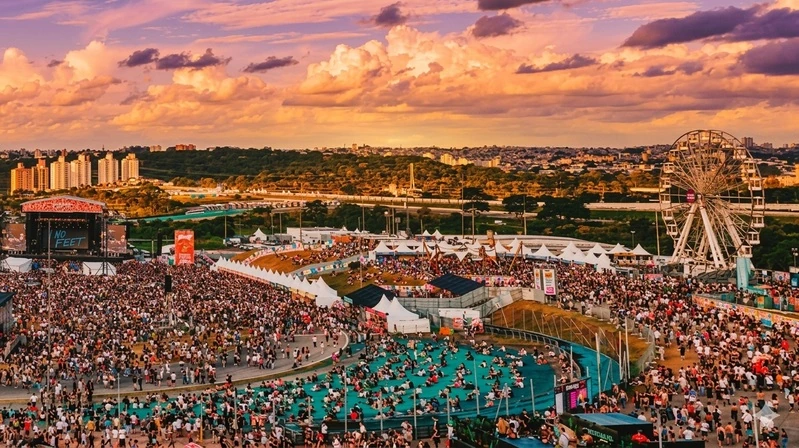
What do organizations near the Interlagos racetrack say about access to Lollapalooza?

Articles

How much does it cost to apply for funding? A short article about the work that begins before any funding comes through.

Projects

Manual do Corre helps people working in arts and culture develop project proposals. Confluência das Favelas brings organizations together to put their communities’ proposals on the climate agenda.

An Instituto Corre platform

Vuka.

A place to organize your collective’s work.

On Vuka, collectives can organize projects and documents and find open calls, courses and training, whether or not they have a Brazilian corporate registration number (CNPJ).

Access to the platform is currently restricted.

Radar do Corre.

On Mondays, Radar rounds up open calls and funding opportunities. On Wednesdays, it features courses, workshops and other training. Get each edition on WhatsApp.

Follow Radar on WhatsApp

Contact

Projects, research and partnerships

Contact the team